
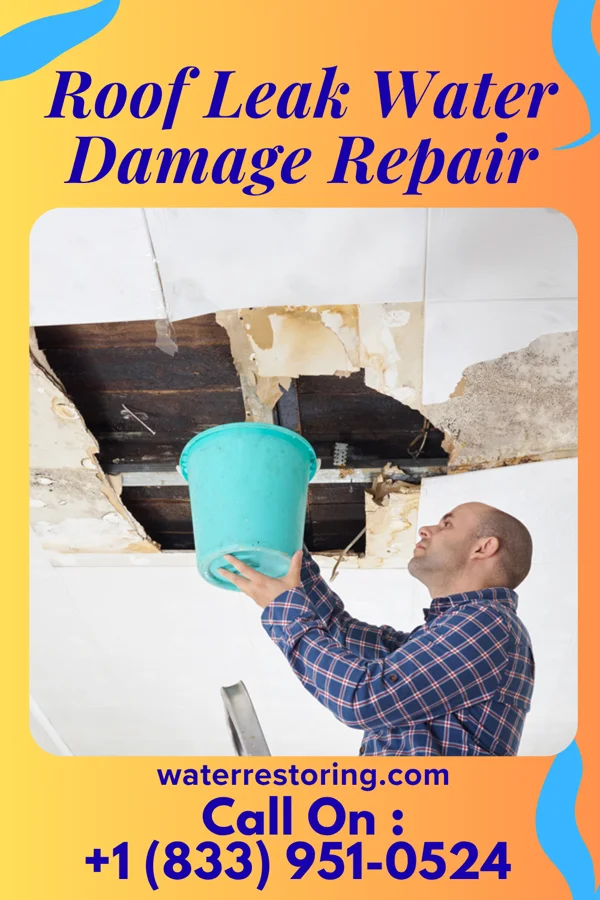
Roof Leaks Across Jamestown Neighborhoods
Every neighborhood in Jamestown has a different water damage risk profile. The one that shows up on most restoration calls is Jamestown, Kansas experiences frequent thunderstorms and occasional severe weather, including hail and high winds, which can cause significant damage to roofing systems. The region's flat terrain and open skies allow for rapid storm development, making timely roof inspections crucial. These weather events often lead to leaks and water damage that require immediate attention.. A close second is The area is also prone to sudden temperature fluctuations, which can cause roofing materials to expand and contract, leading to cracks and gaps. Spring and early summer bring heavy rainfall, increasing the risk of water infiltration. These conditions can compromise even well-maintained roofs..
Jamestown's climate, characterized by hot summers and cold winters, puts stress on roofing systems. The combination of extreme temperature changes, wind-driven rain, and occasional hail creates a high risk of roof damage. Proper maintenance and timely repairs are essential to prevent long-term structural issues.
Water damage in Jamestown follows a few local patterns. Jamestown, Kansas experiences frequent thunderstorms and occasional severe weather, including hail and high winds, which can cause significant damage to roofing systems. The region's flat terrain and open skies allow for rapid storm development, making timely roof inspections crucial. These weather events often lead to leaks and water damage that require immediate attention. accounts for the bulk of our calls. Jamestown's climate, characterized by hot summers and cold winters, puts stress on roofing systems. The combination of extreme temperature changes, wind-driven rain, and occasional hail creates a high risk of roof damage. Proper maintenance and timely repairs are essential to prevent long-term structural issues. Mold can begin to grow within 48 hours of water exposure in Jamestown, leading to health concerns and further damage to building materials. The region's high humidity and warm summers create an ideal environment for mold to thrive, making prompt water damage mitigation critical.
For public guidance on the health effects of mold after prolonged water exposure, see the EPA mold and health page.